
Heritage
Legacy of
Legacy of
Combat
Excellence
From the first dogfights over Europe to the digital arenas of today, air combat has always tested the elite.
From the first dogfights over Europe to the digital arenas of today, air combat has always tested the elite.
Fighter aviation is more than combat. It is an inspiring testament to relentless training, human excellence, and the pursuit of competitive mastery. That legacy lives on through the SFL.
The SFL produces an original heritage film for every competition. These short films honor the history, sacrifice, and mastery that fighter aviation has always demanded, connecting the sport to the legacy it was built to carry forward.
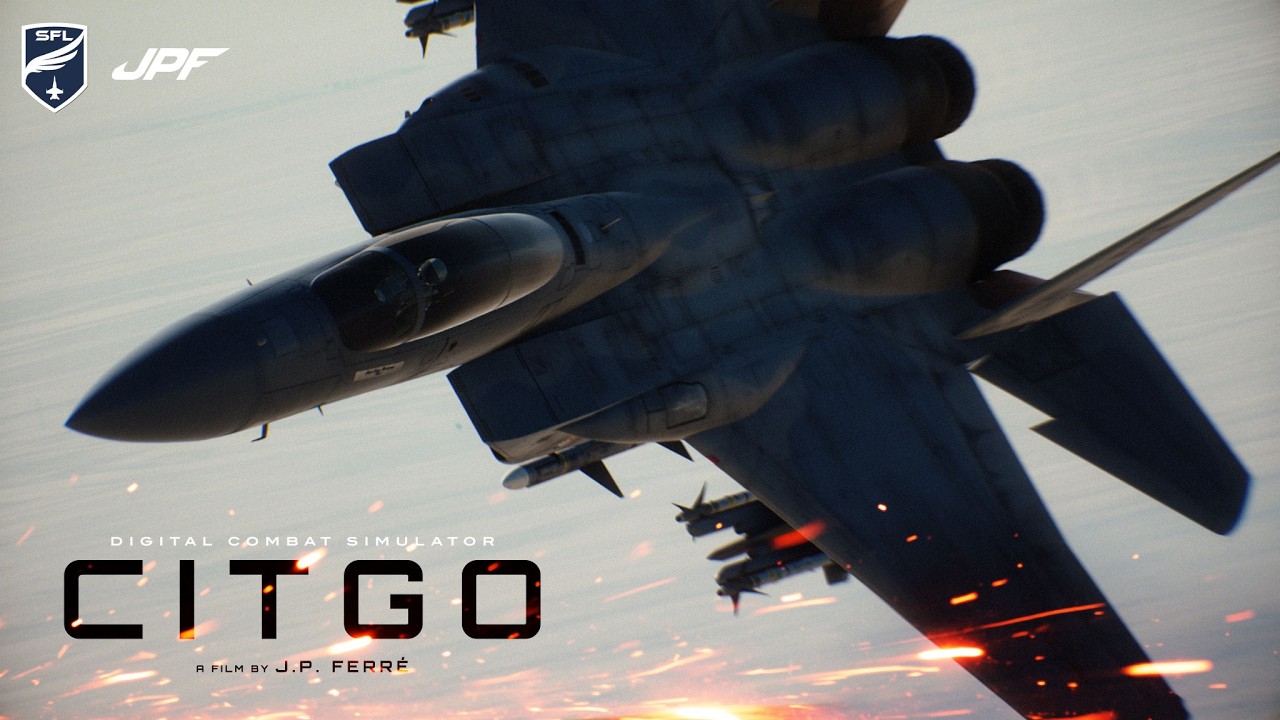
Desert Storm, 1991. Citgo flight's F-15Cs merge with Iraqi MiG-29s in one of the most violent close-in engagements of the air war, a reminder of how few seconds decide a dogfight.
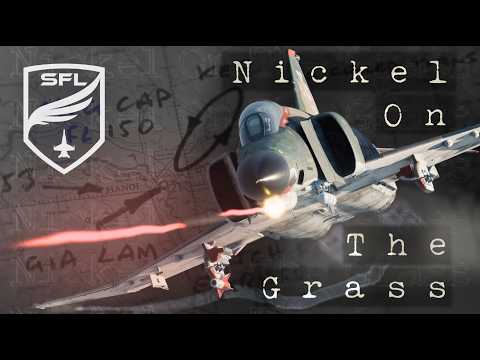
A tribute to the fighter pilots who came before. The traditions, the callsigns, the gravity of what they carried, and the sport that carries it forward.
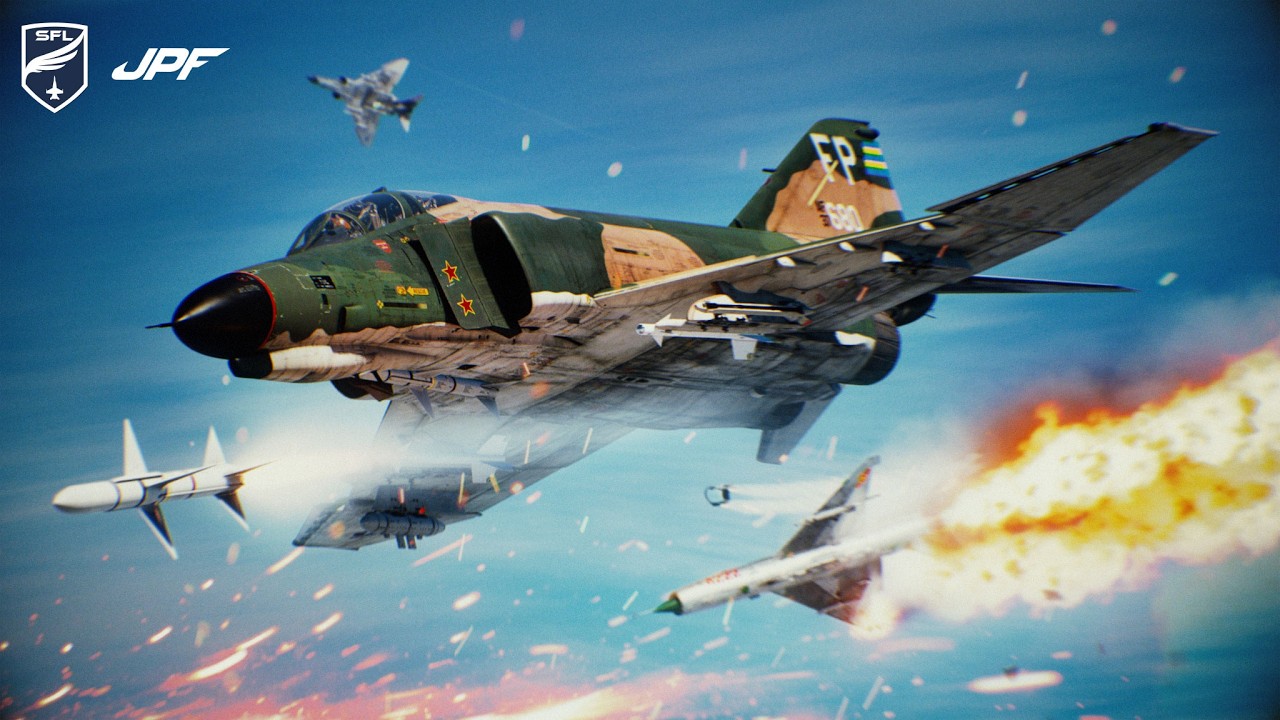
When instinct and training converge in a single moment. An exploration of the split-second decisions that define the fighter pilot's craft, echoing through every sortie in the League.
Three eras. Three generations of pilots who redefined what it meant to compete in the sky. This is the foundation the SFL was built on.

World War II was the first true air war fought across continents. From the Battle of Britain to the defense of Stalingrad, from the skies over Burma to the carrier duels of the Pacific, air combat shaped the outcome of the most consequential conflict in human history. Spitfires, Hurricanes, and Typhoons defended the United Kingdom. Yaks held the Eastern Front for the Soviets. Zeros ruled the Pacific early on, while Mustangs, Thunderbolts, and Corsairs took the fight to Axis strongholds in the later years. Every nation that flew fighters understood one truth: control of the air meant control of the war.
Fighter pilots became a breed apart, forged through adversity, defined by discipline, courage, and a relentless drive to win. Whether flying for the Allies or Axis powers, they embodied national pride and technical excellence. The Strike Fighter League draws from this global legacy, building a new platform for competition that unites elite pilots from every corner of the world. Just as in 1945, victory comes to those who train the hardest, adapt the fastest, and fight with absolute precision. That mindset is not bound by borders. It is the soul of the SFL.
The post-World War II era ushered in a new age of air combat: the Jet Age. In Korea, the first large-scale jet battles exploded over what became known as "MiG Alley," synonymous with lightning-fast engagements between American-built F-86 Sabres and Soviet-built MiG-15s. Outnumbered, Sabre pilots relied on training, instinct, and often a frightening level of improvisation to claw out dominance in a narrow, hostile corridor of sky.
By the mid-1960s, rapid advancements in radar and missile technology transformed air combat again. Designers envisioned exploiting these new capabilities by firing missiles against adversaries far beyond visual range. Yet pilots flying aircraft like the F-4 Phantom routinely found themselves canopy to canopy against lighter, more maneuverable fighters like the MiG-21. Advantage at range became disadvantage in the close fight. To succeed in this environment, fighter pilots could not just be aggressive. They had to be calculated, intellectually lethal, and impossibly disciplined. The SFL stands on the shoulders of this renaissance, pushing pilots to master the same balance of instinct and science, aggression and restraint. Every 1v1 in the League echoes the crucibles of MiG Alley and the skies over the Levant.


The lessons learned in blood over the skies of Southeast and Southwest Asia shaped an entirely new philosophy on how to construct and employ fighter aircraft. Dedicated interceptors and bombers gave way to multi-role fighters. Advanced materials coupled with miniaturization meant designers could rethink the entire package: radars that could detect surface and airborne targets, digital displays, fly-by-wire flight controls, datalink, laser guidance, infrared sensors, and night vision capabilities. These new multi-role fighters could compete in all weather conditions, day or night.
In January 1991, a coalition of air forces delivered a masterclass in coordinated precision during Operation Desert Storm. This was the stage where legendary multi-role fighters such as the F/A-18 Hornet and the F-16 Fighting Falcon stepped into the spotlight as the defining workhorses of a new kind of war. Precision guided munitions, real-time battlefield awareness, and electronic warfare dominance turned what was once brute-force engagement into a symphony of coordinated precision. Behind every successful mission was a pilot interpreting fast-changing data, making lethal decisions under pressure, and executing with surgical precision. This blend of cutting-edge technology and human mastery is what the SFL now brings to the world stage. We honor the Hornet and Viper communities not just by flying their digital counterparts, but by demanding from our competitors the same adaptability, discipline, and fearlessness that made these aircraft legends.
We were young, we were trained, and we believed in each other. That's what carried us through the mission, and the war.Capt Dan Pedersen, USN Founder of TOPGUN. F-4 Phantom squadron commander.
At the heart of the Strike Fighter League lies more than competition. We are founded on the belief that excellence in the air is born from sacrifice, devotion, and a global community of aviators who have risked their lives in service. The SFL Legacy Fund is our solemn commitment to honoring that legacy: not just in words, but through action.
The SFL Legacy Fund will operate as a profit-funded nonprofit organization, created to support the global military aviation community in times of greatest need. A portion of all SFL proceeds will be dedicated to providing direct financial aid, recovery assistance, and educational support to the families and individuals impacted by military aviation tragedies. Whether caused by training accidents, combat losses, or the long-term effects of operational exposure, these moments ripple across lives in every nation, and we believe those affected deserve enduring recognition and care.
This initiative begins with strategic partnerships. Our first commitments are to The Wingman Foundation, Project Recover, and the Splash 3 Foundation, three organizations that have demonstrated extraordinary dedication to serving military aviation communities. Military aviation is a global endeavor, and the SFL Legacy Fund will extend support across borders, uniting nations through a shared respect for those who have dedicated their lives to flight.
Through the SFL Legacy Fund, we ensure that the sacrifices made by military aviators are never forgotten, and that the success of this league always gives back to the community it was inspired by.


